案例
前置条件:
在 resources 目录下有 hello/hello.properties 文件,文件内容如下:
hello=nihao 案例一:
在 HelloController 类中通过 @PropertySource 注解引用 properties 文件的内容,然后就可以通过 @Value 注解引用这个配置文件中的 hello 这个 key 了。
@PropertySource({"classpath:hello/hello.properties"}) @RestController public class HelloController { @Value("${hello}") private String hello; @GetMapping("/hello") public String hello() { return hello; } } 案例一执行的结果是返回 nihao 这个字符串。
案例二:
在 AnotherController 类中通过 @PropertySource 注解引用 properties 文件的内容,在 HelloController 中仍然可以通过 @Value 注解引用这个配置文件中的 hello 这个 key 。
@RestController public class HelloController { @Value("${hello}") private String hello; @GetMapping("/hello") public String hello() { return hello; } } @RestController @PropertySource({"classpath:hello/hello.properties"}) public class AnotherController { // 省略代码 } 案例二返回的结果和案例一一致,这说明了只需要一个 Bean 通过 @PropertySource 注解引用了 properties 配置文件后,其它的 Bean 无需再使用@PropertySource 注解引用即可通过 @Value 注入其中的值。
案例三:
@Getter @Setter public class TestBean { private String attributeA; private String attributeB; } @RestController public class HelloController { @Value("${hello}") private String hello; @Autowired private TestBean testBean; @GetMapping("/hello") public String hello() { System.out.println("AttributeA = " + testBean.getAttributeA()); System.out.println("AttributeB = " + testBean.getAttributeB()); return hello; } } <?xml version="1.0" encoding="UTF-8"?> <beans xmlns="http://www.springframework.org/schema/beans" xmlns:xsi="http://www.w3.org/2001/XMLSchema-instance" xmlns:context="http://www.springframework.org/schema/context" xsi:schemaLocation="http://www.springframework.org/schema/beans http://www.springframework.org/schema/beans/spring-beans.xsd http://www.springframework.org/schema/context http://www.springframework.org/schema/context/spring-context.xsd"> <context:property-placeholder location="classpath:testBean/testBean.properties"/> <bean id="testBean" class="com.test.TestBean"> <property name="attributeA" value="${valueA}"/> <property name="attributeB" value="${valueB}"/> <!-- 省略其它配置 --> </bean> </beans> testBean.properties 配置文件中的值如下:
valueA=testA valueB=testB 案例三执行的结果是 testBean 中的属性被正确替换为了 testBean.properties 配置文件中的值。


案例四:
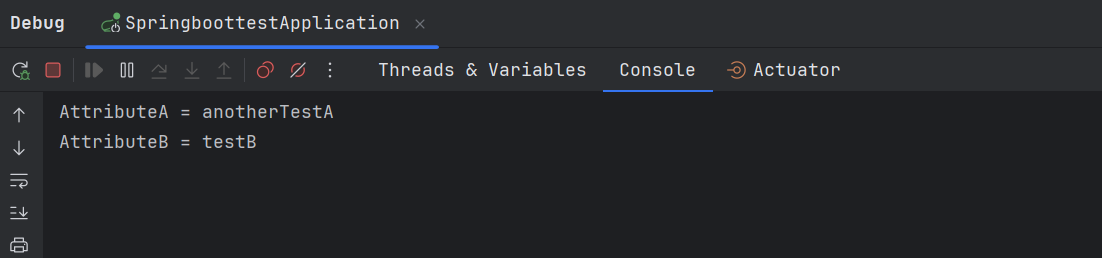
在 hello.properties 文件中增加 attributeA 配置项,其它和案例三保持一致:
valueA=anotherTestA 案例四执行的结果是 testBean 中的 attributeA 属性被替换为了 hello.properties 中的值,attributeB 中的属性被替换为了 testBean.properties 中的值。
源码分析
@PropertySource注解
在 Spring 中提供了 BeanDefinitionRegistryPostProcessor 接口,它提供了一个方法可以注册额外的 Bean 定义。代码如下:
public interface BeanDefinitionRegistryPostProcessor extends BeanFactoryPostProcessor { void postProcessBeanDefinitionRegistry(BeanDefinitionRegistry registry) throws BeansException; } Spring 中提供了 ConfigurationClassPostProcessor 做为实现类,在它的 postProcessBeanDefinitionRegistry() 通过 ConfigurationClassParser 去将 @Configuration 等注解修饰的类解析成 Bean 定义并注册。
而在 ConfigurationClassParser 中的 doProcessConfigurationClass() 方法会解析所有 @PropertySource 注解的配置信息,然后根据配置的路径加载对应路径下的配置文件,然后注册到 Environment 中。代码如下:
protected final SourceClass doProcessConfigurationClass( ConfigurationClass configClass, SourceClass sourceClass, Predicate<String> filter) throws IOException { // Process any @PropertySource annotations for (AnnotationAttributes propertySource : AnnotationConfigUtils.attributesForRepeatable( sourceClass.getMetadata(), org.springframework.context.annotation.PropertySource.class, PropertySources.class, true)) { if (this.propertySourceRegistry != null) { this.propertySourceRegistry.processPropertySource(propertySource); } else { logger.info("Ignoring @PropertySource annotation on [" + sourceClass.getMetadata().getClassName() + "]. Reason: Environment must implement ConfigurableEnvironment"); } } } 在 PropertySourceRegistry 的 processPropertySource() 方法中获取到注解配置的文件的位置,然后又委托给了 PropertySourceProcessor 处理。代码如下:
void processPropertySource(AnnotationAttributes propertySource) throws IOException { String name = propertySource.getString("name"); if (!StringUtils.hasLength(name)) { name = null; } String encoding = propertySource.getString("encoding"); if (!StringUtils.hasLength(encoding)) { encoding = null; } // 获取到注解中配置的配置文件的位置 String[] locations = propertySource.getStringArray("value"); Assert.isTrue(locations.length > 0, "At least one @PropertySource(value) location is required"); boolean ignoreResourceNotFound = propertySource.getBoolean("ignoreResourceNotFound"); Class<? extends PropertySourceFactory> factoryClass = propertySource.getClass("factory"); Class<? extends PropertySourceFactory> factoryClassToUse = (factoryClass != PropertySourceFactory.class ? factoryClass : null); PropertySourceDescriptor descriptor = new PropertySourceDescriptor(Arrays.asList(locations), ignoreResourceNotFound, name, factoryClassToUse, encoding); // this.propertySourceProcessor.processPropertySource(descriptor); this.descriptors.add(descriptor); } 在 PropertySourceProcessor 的 processPropertySource() 方法中遍历每个配置文件位置加载配置文件,然后添加到 Environment 的 propertySources 中。代码如下:
public void processPropertySource(PropertySourceDescriptor descriptor) throws IOException { String name = descriptor.name(); String encoding = descriptor.encoding(); List<String> locations = descriptor.locations(); boolean ignoreResourceNotFound = descriptor.ignoreResourceNotFound(); PropertySourceFactory factory = (descriptor.propertySourceFactory() != null ? instantiateClass(descriptor.propertySourceFactory()) : defaultPropertySourceFactory); for (String location : locations) { // 遍历每个配置文件位置加载配置文件 try { String resolvedLocation = this.environment.resolveRequiredPlaceholders(location); for (Resource resource : this.resourcePatternResolver.getResources(resolvedLocation)) { addPropertySource(factory.createPropertySource(name, new EncodedResource(resource, encoding))); } } catch (RuntimeException | IOException ex) { // 省略点 } } } private void addPropertySource(PropertySource<?> propertySource) { String name = propertySource.getName(); MutablePropertySources propertySources = this.environment.getPropertySources(); if (this.propertySourceNames.contains(name)) { // 省略代码 } if (this.propertySourceNames.isEmpty()) { propertySources.addLast(propertySource); } else { String lastAdded = this.propertySourceNames.get(this.propertySourceNames.size() - 1); // 添加到 propertySources 中 propertySources.addBefore(lastAdded, propertySource); } this.propertySourceNames.add(name); } 在 AbstractApplicationContext 中的 finishBeanFactoryInitialization() 方法中,会先判断是否有注册 EmbeddedValueResolver,如果没有再注册,如果有的话就不注册了,这里和 PropertySourcesPlaceholderConfigurer 联动起来了。代码如下:
protected void finishBeanFactoryInitialization(ConfigurableListableBeanFactory beanFactory) { // Register a default embedded value resolver if no BeanFactoryPostProcessor // (such as a PropertySourcesPlaceholderConfigurer bean) registered any before: // at this point, primarily for resolution in annotation attribute values. if (!beanFactory.hasEmbeddedValueResolver()) { beanFactory.addEmbeddedValueResolver(strVal -> getEnvironment().resolvePlaceholders(strVal)); } // Instantiate all remaining (non-lazy-init) singletons. beanFactory.preInstantiateSingletons(); } PropertySourcesPlaceholderConfigurer
而 PropertySourcesPlaceholderConfigurer 实现了 BeanFactoryPostProcessor 接口,它的 postProcessBeanFactory() 方法中,首先以 environment 对象构建一个 PropertySource 对象,添加到 propertySources 中;然后根据它自己配置的 location (即前面在xml中配置的)构建一个 PropertySource 对象,添加到 propertySources 中,默认添加在尾部,这个对于解释场景四很重要。最后基于 propertySources 构建了一个 ConfigurablePropertyResolver 对象去调用 processProperties() 方法。
public void postProcessBeanFactory(ConfigurableListableBeanFactory beanFactory) throws BeansException { if (this.propertySources == null) { this.propertySources = new MutablePropertySources(); if (this.environment != null) { PropertyResolver propertyResolver = this.environment; // If the ignoreUnresolvablePlaceholders flag is set to true, we have to create a // local PropertyResolver to enforce that setting, since the Environment is most // likely not configured with ignoreUnresolvablePlaceholders set to true. // See https://github.com/spring-projects/spring-framework/issues/27947 if (this.ignoreUnresolvablePlaceholders && (this.environment instanceof ConfigurableEnvironment configurableEnvironment)) { PropertySourcesPropertyResolver resolver = new PropertySourcesPropertyResolver(configurableEnvironment.getPropertySources()); resolver.setIgnoreUnresolvableNestedPlaceholders(true); propertyResolver = resolver; } // 将environment构建为一个PropertySource对象 PropertyResolver propertyResolverToUse = propertyResolver; this.propertySources.addLast( new PropertySource<>(ENVIRONMENT_PROPERTIES_PROPERTY_SOURCE_NAME, this.environment) { @Override @Nullable public String getProperty(String key) { return propertyResolverToUse.getProperty(key); } } ); } try { PropertySource<?> localPropertySource = new PropertiesPropertySource(LOCAL_PROPERTIES_PROPERTY_SOURCE_NAME, mergeProperties()); if (this.localOverride) { this.propertySources.addFirst(localPropertySource); } else { // 默认情况下是将配置加入到最后 this.propertySources.addLast(localPropertySource); } } catch (IOException ex) { throw new BeanInitializationException("Could not load properties", ex); } } processProperties(beanFactory, createPropertyResolver(this.propertySources)); this.appliedPropertySources = this.propertySources; } 在 processProperties() 方法中通过 ConfigurablePropertyResolver 对象又构造了一个 StringValueResolver 对象,然后调用了 doProcessProperties() 方法。代码如下:
protected void processProperties(ConfigurableListableBeanFactory beanFactoryToProcess, final ConfigurablePropertyResolver propertyResolver) throws BeansException { propertyResolver.setPlaceholderPrefix(this.placeholderPrefix); propertyResolver.setPlaceholderSuffix(this.placeholderSuffix); propertyResolver.setValueSeparator(this.valueSeparator); propertyResolver.setEscapeCharacter(this.escapeCharacter); // 构造了一个StringValueResolver对象 StringValueResolver valueResolver = strVal -> { String resolved = (this.ignoreUnresolvablePlaceholders ? propertyResolver.resolvePlaceholders(strVal) : propertyResolver.resolveRequiredPlaceholders(strVal)); if (this.trimValues) { resolved = resolved.trim(); } return (resolved.equals(this.nullValue) ? null : resolved); }; doProcessProperties(beanFactoryToProcess, valueResolver); } 在 doProcessProperties() 方法中又通过 StringValueResolver 对象构造了一个 BeanDefinitionVisitor 对象,然后调用它的 visitBeanDefinition() 实现了对 Bean 定义中属性引用的解析。然后调用 BeanFactory 的 addEmbeddedValueResolver() 方法把 StringValueResolver 对象设置给了 BeanFactory,这里就和前面的AbstractApplicationContext 中的 finishBeanFactoryInitialization() 方法呼应起来了,这里设置了值,那边就不设置了,这里没有设置,那边就会设置。
protected void doProcessProperties(ConfigurableListableBeanFactory beanFactoryToProcess, StringValueResolver valueResolver) { // 构造BeanDefinitionVisitor对象 BeanDefinitionVisitor visitor = new BeanDefinitionVisitor(valueResolver); String[] beanNames = beanFactoryToProcess.getBeanDefinitionNames(); for (String curName : beanNames) { // Check that we're not parsing our own bean definition, // to avoid failing on unresolvable placeholders in properties file locations. if (!(curName.equals(this.beanName) && beanFactoryToProcess.equals(this.beanFactory))) { BeanDefinition bd = beanFactoryToProcess.getBeanDefinition(curName); try { // 对Bean定义中引用的配置进行解析 visitor.visitBeanDefinition(bd); } catch (Exception ex) { throw new BeanDefinitionStoreException(bd.getResourceDescription(), curName, ex.getMessage(), ex); } } } // Resolve placeholders in alias target names and aliases as well. beanFactoryToProcess.resolveAliases(valueResolver); // Resolve placeholders in embedded values such as annotation attributes. // 添加到BeanFactory中 beanFactoryToProcess.addEmbeddedValueResolver(valueResolver); } 在之前的文章Spring 中 @Value 注解实现原理中介绍了在 DefaultListableBeanFactory 的 resolveEmbeddedValue() 方法中实现了对 @Value 注解的解析,这里实际上就是调用的上面设置的 StringValueResolver 对象的 resolveStringValue() 方法来实现的。
public String resolveEmbeddedValue(@Nullable String value) { if (value == null) { return null; } String result = value; for (StringValueResolver resolver : this.embeddedValueResolvers) { result = resolver.resolveStringValue(result); if (result == null) { return null; } } return result; } 案例解答
对于案例二: 在解析 Bean 定义的时候会把所有 @PropertySource 注解定义配置文件解析到 Environment 集中保存起来,然后在解析 @Value 注解值的时候统一从这个集中的地方去查找。因此只需要有一个类通过 @PropertySource 注解引用这个配置即可。
对于案例三: 实际上是依赖实现了 BeanFactoryPostProcessor 接口,它的 postProcessBeanFactory() 方法中实现了在 Bean 真正创建之前,对 Bean 定义中引用属性的解析。
对于案例四: 在默认的情况下解析依赖的配置文件是所有 @PropertySource 引用的配置文件加上 PropertySourcesPlaceholderConfigurer 的 location 属性引用的配置文件,且 @PropertySource 引用的配置文件在它的 location 属性引用的配置文件前面,查找的时候是按照顺序查找的。@PropertySource 引用的配置文件中定义了相同的 key,则直接会获取值返回,不会再继续往后查找了,所以就出现了案例四中 hello.properties 配置文件中的相同配置项覆盖了 testBean.properties 配置文件中的配置项。t
同时 Spring 提供了一个配置项 local-override,当设置为 true 时,才会使用testBean.properties 配置覆盖hello.properties 配置。覆盖的原理就是把配置加到最前面。代码如下:
<context:property-placeholder location="classpath:testBean.properties" local-override="true" /> try { PropertySource<?> localPropertySource = new PropertiesPropertySource(LOCAL_PROPERTIES_PROPERTY_SOURCE_NAME, mergeProperties()); if (this.localOverride) { // 设置为true的时候将配置加入到最前面 this.propertySources.addFirst(localPropertySource); } else { // 默认情况下是将配置加入到最后 this.propertySources.addLast(localPropertySource); } } catch (IOException ex) { throw new BeanInitializationException("Could not load properties", ex); }